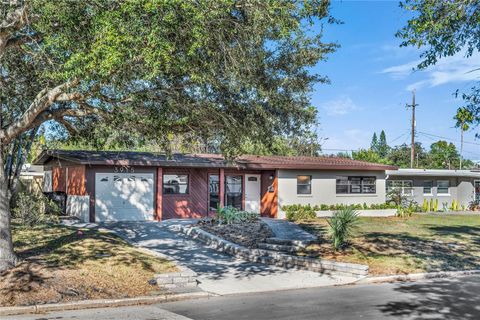
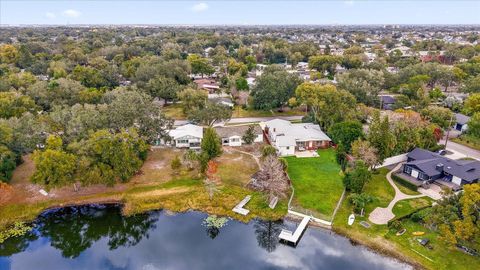
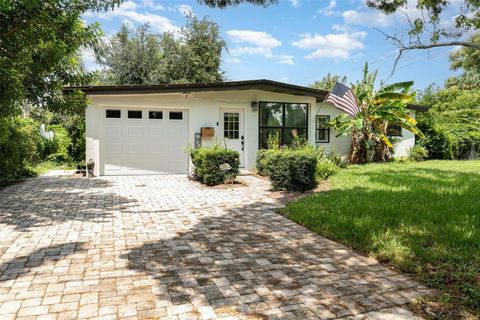
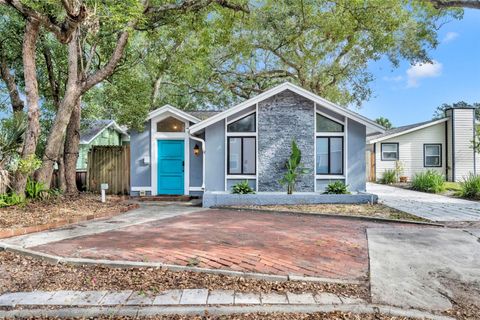
Colonialtown North & Audubon Park, Orlando, FL Real Estate Listings

All homes for sale in Colonialtown North and Audubon Park, Orlando, FL

Price
Beds
Baths
For Sale / All Types
Advanced Search

Clicking “Search in Map’ will show all listings in map area. Click on any pin on the map for full details. The list below the map are the newest listings.

The charm, history, and character of Colonialtown North, Orlando, FL

Colonialtown North is a historic neighborhood in Orlando, Florida, known for its rich history and distinctive character.

History Of Colonialtown North

The neighborhood’s development began in the early 20th century and is closely linked to the growth and expansion of Orlando during that period.

  • Early Development
    Colonialtown North was originally part of the larger Colonialtown area, which started to develop in the 1910s and 1920s. The neighborhood’s growth was spurred by Orlando’s population boom and the expansion of its streetcar system. This period saw the construction of many bungalow-style homes, a popular architectural style of the time.
  • Mid-20th Century
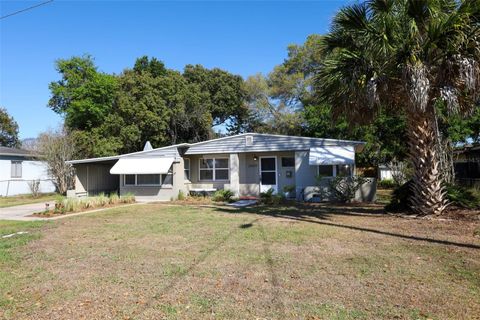
    In the 1940s and 1950s, Colonialtown North continued to grow as Orlando expanded further. Post-World War II economic prosperity led to increased suburban development, and Colonialtown North benefited from this trend. The neighborhood’s streets were lined with modest single-family homes, reflecting the typical American suburban style of the era.
  • Recent Developments
    In recent decades, Colonialtown North has experienced significant revitalization. The neighborhood has attracted new residents due to its proximity to downtown Orlando and its historic charm. Efforts to preserve its architectural heritage have been supported by the community and local government, leading to the restoration of many historic homes.
  • Cultural and Social Aspects
    Colonialtown North is known for its diverse community and vibrant social scene. It is home to parks, local businesses, and community events that foster a strong neighborhood spirit. The Colonialtown Neighborhood Association plays an active role in maintaining the area’s unique character and advocating for residents’ interests.
  • Architectural Significance
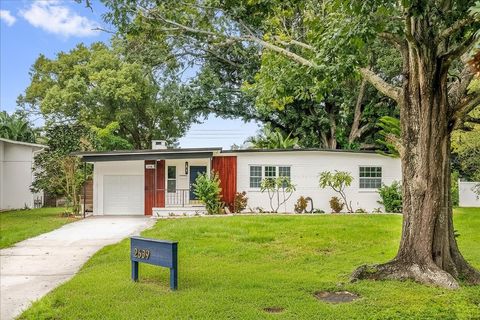
    The architectural landscape of Colonialtown North is notable for its variety of styles, including Craftsman bungalows, Mediterranean Revival homes, and mid-century modern houses. This diversity reflects the neighborhood’s long history and the different phases of development it has undergone.
  • Preservation Efforts
    In recent years, there has been a strong emphasis on historic preservation in Colonialtown North. Efforts to maintain the area’s historical integrity have been successful, with many buildings being preserved or restored to reflect their original architectural styles.
  • Community Engagement
    The neighborhood is known for its active community engagement. Residents participate in local events, neighborhood clean-ups, and advocacy for improvements and preservation. The Colonialtown North Neighborhood Association organizes various activities that bring together the community and enhance the quality of life in the area.

Colonialtown North’s history is a testament to Orlando’s broader growth and transformation over the past century. Its blend of historic charm and modern revitalization makes it a unique and cherished part of the city.

Charm, Character and Appeal of Colonialtown North

Colonialtown North is a vibrant and eclectic neighborhood located in Orlando, Florida. Known for its charming mid-century homes, diverse community, and convenient proximity to downtown, it has a unique appeal that attracts a wide variety of residents. Here are some key aspects of the charm, character and appeal of Colonialtown North neighborhhod of Orlando, FL:

Colonialtown North is One of Orlando’s Trendiest Neighborhoods

Colonialtown is an Orlando suburb located just northeast of the Downtown area that has seen a lot of growth in recent years, from new restaurants, to bars, shops and Colonialtown homes for sale. The area is small, but due to its prime location, it’s a very popular place to live, bordered by Park Lake/Highland, Lake Formosa, Rowena Gardens, and Audubon Park. Colonialtown North is probably most well-known for the trendy Mills 50 District. A member-based organization including many local businesses owners, local government officials, and residents, the Mills 50 District features local favorites like Colonial Photo & Hobby Shop, the historic Cameo Theater, Black Rooster Taqueria, Market at Mills 50, and many more! It’s also home to the Antique District and Little Vietnam.

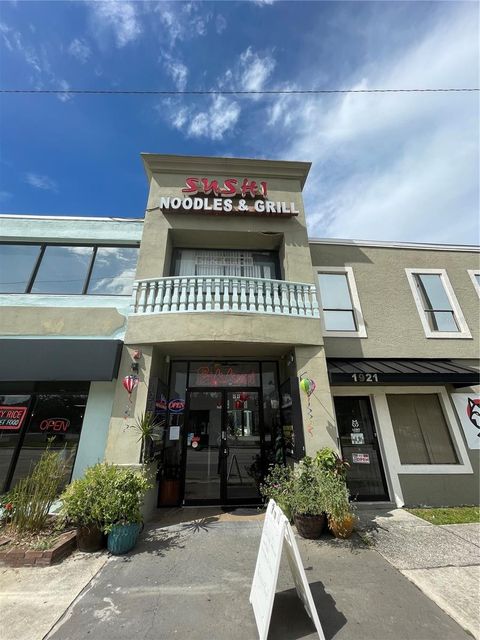
The Mills 50 District on the neighborhood’s west side is a trendy hotspot with a variety of restaurants and shops. Residents can enjoy a range of authentic Asian dishes from Hawkers Asian Street Food, or dig into bento boxes with brisket and ribs from Pig Floyd’s Urban Barbakoa.  The food scene in Orlando is quickly making a name for itself across the country, and the Colonialtown neighborhood is no exception. Try the popular Sticky Rice Laotian restaurant, located just off of Colonial Drive and serving up traditional Lao street food. Or if you’re in the mood for something a bit more classic, check out The Strand. This farm-to-table restaurant features New American dishes with only the freshest ingredients.

Located on the northern edge of Colonialtown is Harry P Leu Gardens. The popular 50-acre botanical gardens features the most beautiful of local and exotic plants. There is also an interesting museum on site.

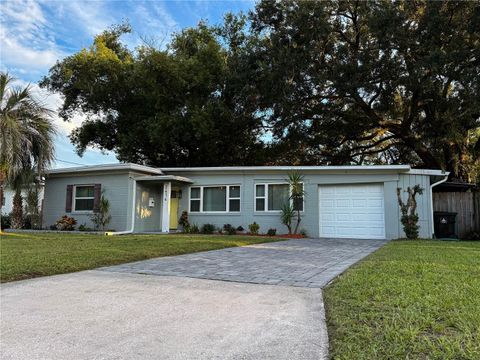
  • Architectural Style: The neighborhood features a mix of architectural styles, including mid-century bungalows, ranch-style homes, and some more modern constructions. This blend gives the area a distinct and charming aesthetic, appealing to those who appreciate historical architecture alongside contemporary homes.
  • Green Spaces: Colonialtown North is home to several parks and green spaces, including Colonialtown Square Park, which provides residents with a place to relax, exercise, and engage in community activities. The green spaces contribute to a pleasant and family-friendly environment.
  • Walkability and Accessibility: The neighborhood is known for its walkability, with many amenities within a short distance. It’s easy to walk or bike to nearby shops, cafes, and restaurants. The neighborhood’s layout is pedestrian-friendly, encouraging outdoor activities and social interactions among neighbors.
  • Community Atmosphere: Colonialtown North has a strong sense of community. The residents often organize neighborhood events, community yard sales, and social gatherings, fostering a friendly and connected atmosphere. This community spirit makes it a welcoming place for families, young professionals, and retirees alike.
  • Proximity to Downtown Orlando: One of the major appeals of Colonialtown North is its close proximity to downtown Orlando. Residents enjoy the convenience of being just minutes away from the city’s business district, entertainment venues, dining options, and cultural attractions. This makes it an ideal location for those who work in the city but prefer the quieter, residential feel of a suburban neighborhood.
  • Diverse Dining and Shopping Options: The neighborhood boasts a variety of dining and shopping options, from local boutiques to popular chains. The nearby Mills 50 District and Audubon Park Garden District offer an array of eclectic restaurants, coffee shops, and bars, enhancing the neighborhood’s appeal to food enthusiasts and shoppers.
  • Educational Facilities: Colonialtown North is served by several reputable schools, making it an attractive option for families. The availability of good educational institutions, including both public and private schools, is a significant factor for many residents.
  • Cultural and Recreational Activities: The neighborhood is close to various cultural and recreational facilities. The Orlando Museum of Art, the Orlando Science Center, and the Mennello Museum of American Art are all within a short drive, providing residents with plenty of opportunities for cultural enrichment. Additionally, the nearby Lake Eola Park offers recreational activities such as paddle boating, festivals, and a weekly farmers market.

Colonialtown North, Orlando, FL Demographics & School Information

Demographics and school information for Colonialtown North, Orlando, Florida

Colonialtown North Demographics

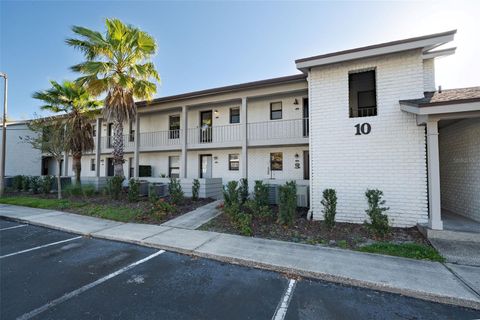
  • Population and Density: Population: Approximately 4,000 to 5,000 residents. Density: The neighborhood is moderately dense, with a mix of single-family homes, apartments, and townhouses.
  • Age Distribution: Median Age: The median age in Colonialtown North is around 35 years. Age Groups: Children (0-17 years): Approximately 20%, Young Adults (18-34 years): Around 30%, Adults (35-64 years): About 40%, Seniors (65+ years): Roughly 10%.
  • Household Types: Family Households: About 50% of households are family units. Non-family Households: Approximately 50%, including young professionals and retirees. Average Household Size: The average household size is around 2.3 people.
  • Income and Education: Median Household Income: The median household income is around $55,000 to $65,000, which is in line with the broader Orlando area. Education Level: The neighborhood has a well-educated population, with a significant percentage holding bachelor’s degrees or higher: High School Diploma or Equivalent: Around 25%, Some College or Associate Degree: Approximately 30%, Bachelor’s Degree: About 25%, Graduate or Professional Degree: Roughly 20%.
  • Employment: Employment Sectors: Residents work in a variety of sectors, including healthcare, education, hospitality, retail, and professional services. Many also commute to downtown Orlando for work. Employment Status: The neighborhood has a relatively low unemployment rate, reflecting the overall economic health of the area.
  • Housing: Home Ownership vs. Renting: The neighborhood has a balanced mix of homeowners and renters. Homeowners: Approximately 50%. Renters: Around 50%. Median Home Value: The median home value is approximately $300,000 to $350,000, reflecting the desirability of the area and the quality of the housing stock.

Colonialtown North Schools

Elementary Schools

  • Princeton Elementary School
  • Fern Creek Elementary School
  • Hillcrest Elementary School

Middle Schools

  • Howard Middle School
  • Glenridge Middle School
  • Audubon Park School (serving grades K-8)
High Schools
  • Edgewater High School
  • Winter Park High School
  • Boone High School

What to see, do, and eat in Colonialtown North, Orlando, FL

Colonialtown North offers a variety of trendy restaurants and plenty of things to see and do!

Things To  See And Do In Colonialtown North

  • Leu Gardens: Harry P. Leu Gardens is a beautiful botanical garden featuring over 50 acres of landscaped grounds, including a butterfly garden, rose garden, and camellia collection. It’s a great place to enjoy a leisurely stroll and immerse yourself in nature.
  • Orlando Science Center: Located nearby, the Orlando Science Center offers interactive exhibits, hands-on activities, and educational programs for visitors of all ages. Explore topics ranging from astronomy and physics to biology and technology.
  • Mills 50 District: While technically part of the Mills 50 District, Colonialtown North is adjacent to this vibrant cultural hub. Take a stroll through Mills 50 to discover eclectic shops, art galleries, and diverse dining options.
  • Lake Ivanhoe: Enjoy outdoor recreation at Lake Ivanhoe, which offers scenic views, walking paths, and opportunities for boating and fishing. The lake is a peaceful retreat in the heart of the city.
  • Local Dining: Colonialtown North and the surrounding area are home to numerous dining establishments offering diverse cuisine options. Explore local favorites ranging from casual eateries to fine dining restaurants, including international flavors and creative culinary experiences.
  • Art Galleries: Explore the local art scene by visiting galleries and studios in the neighborhood. Keep an eye out for exhibitions featuring works by local artists, and perhaps even find a unique piece to take home as a souvenir.
  • Historic Architecture: Colonialtown North features charming historic neighborhoods with beautiful architecture. Take a self-guided walking tour to admire the unique homes and buildings, many of which showcase distinctive architectural styles.
  • Cultural Events: Keep an eye out for cultural events and festivals happening in the area. From art walks to music festivals, Colonialtown North often hosts community events that celebrate the local culture and creativity.
  • Shopping: Explore local boutiques and shops in Colonialtown North, where you can find unique gifts, clothing, and home decor items. Support local businesses while discovering hidden gems in the neighborhood.
  • Nearby Attractions: Colonialtown North is conveniently located near downtown Orlando, putting attractions such as the Orlando Museum of Art, Dr. Phillips Center for the Performing Arts, and Amway Center within easy reach. Take advantage of the neighborhood’s central location to explore more of what Orlando has to offer.

Where to Eat in Colonialtown North and the Mills 50 District

The charm, history, and character of Audubon Park, Orlando, FL

The Audubon Park neighborhood in Orlando, FL, has a rich history and a vibrant present.

History Of Audubon Park

  • Developed primarily in the 1950s and 1960s, the area initially catered to personnel from the nearby Orlando Air Force Base and later the Naval Training Center Orlando. This military influence shaped the neighborhood’s early character and infrastructure.
  • Audubon Park is named in honor of the National Audubon Society, and its streets are fittingly named after various bird species. This naming convention underscores the neighborhood’s long-standing connection to nature and conservation. In fact, Audubon Park was the first neighborhood in Central Florida to be recognized as a Community Wildlife Habitat by the National Wildlife Federation, highlighting its commitment to preserving natural habitats and promoting sustainability (Orlando Vacay Guide) (Orlando.gov).
  • In recent years, Audubon Park has blossomed into a lively and eclectic community, known for its unique blend of vintage shops, cafes, bakeries, and trendy eateries. The neighborhood is also home to the East End Market, a popular community hub that showcases locally produced food and crafts (Orlando Vacay Guide) (Live, Work, Play).
  • Audubon Park is part of the Orlando Main Streets program and has received national recognition, including the Great American Main Street Award in 2016. This accolade reflects the neighborhood’s successful revitalization and its vibrant, creative community (Orlando Vacay Guide) (APGD).
  • Today, Audubon Park continues to attract new residents and visitors with its walkable streets, diverse local businesses, and numerous community events focused on sustainability, arts, and culture. The district’s commitment to environmental stewardship is evident in initiatives like the pollinator pathways and urban bird sanctuaries (APGD).

Charm, Character And Appeal Of Audubon Park

  • Vintage Shops and Boutiques: The neighborhood is home to a variety of vintage shops, independent boutiques, and quirky stores that give it a distinctive character. These businesses contribute to a creative and artistic atmosphere (Orlando Vacay Guide) (Live, Work, Play).
  • Cafes and Eateries: Audubon Park is also known for its local cafes, bakeries, and farm-to-table restaurants. The East End Market, a local food and culture hub, showcases artisanal foods and crafts, reinforcing the community’s commitment to local business and sustainability (Live, Work, Play).
  • Community Events: The neighborhood hosts numerous community events, including farmers markets, art shows, and food festivals, fostering a strong sense of community and engagement among residents (APGD).
  • Environmental Initiatives: Audubon Park has been recognized as a Community Wildlife Habitat by the National Wildlife Federation, highlighting its dedication to creating a sustainable environment. Efforts such as planting native trees and creating pollinator pathways reflect the community’s commitment to preserving natural habitats (Orlando Vacay Guide) (Orlando.gov).
  • Mid-Century Modern Homes: The residential streets of Audubon Park are lined with mid-century modern homes and towering oak trees, offering a picturesque and serene living environment (Live, Work, Play).
  • Walkability and Accessibility: The neighborhood is highly walkable, with many amenities within a short distance. This makes it attractive to those who appreciate a lifestyle that balances convenience with a close-knit community feel (Orlando Vacay Guide).
  • Main Street America Program: Audubon Park is part of the nationally recognized Main Street America program, which supports community revitalization and economic development. The neighborhood won the Great American Main Street Award in 2016, further solidifying its reputation as a vibrant and dynamic community (APGD).

Audubon Park’s unique combination of historic charm, creative local businesses, strong community spirit, and environmental consciousness makes it a highly desirable neighborhood in Orlando. Its eclectic character and commitment to sustainability continue to attract residents and visitors who value both the cultural vibrancy and the natural beauty of the area (Orlando Vacay Guide) (APGD) (Live, Work, Play).


What to see, do, and eat in Audubon Park, Orlando, FL

Audubon Park is a vibrant neighborhood known for its charming atmosphere and eclectic mix of shops, restaurants, and things to do.

Things to See And Do In Audubon Park

  • Audubon Park Garden District: Take a stroll through the Audubon Park Garden District, a designated Main Street district known for its unique shops, boutiques, and local businesses. Explore the district’s pedestrian-friendly streets lined with colorful murals and charming storefronts.
  • East End Market: Visit East End Market, a community hub featuring local artisans, farmers, and food purveyors. Browse the market’s diverse offerings, including fresh produce, handmade goods, and gourmet products. Don’t miss the chance to dine at one of the market’s eateries serving up delicious dishes made with locally-sourced ingredients.
  • Harry P. Leu Gardens: Just a short drive from Audubon Park, Harry P. Leu Gardens is a botanical oasis spanning 50 acres. Explore themed gardens, including the butterfly garden, rose garden, and tropical rainforest garden. Enjoy a leisurely stroll along scenic pathways and discover the beauty of nature.
  • Audubon Park Community Market: Check out the Audubon Park Community Market, held weekly on Monday evenings. Browse local vendors offering fresh produce, artisanal foods, handmade crafts, and more. Enjoy live music, food trucks, and a vibrant community atmosphere.
  • Baldwin Park: Take a short drive to nearby Baldwin Park, a picturesque neighborhood with tree-lined streets, scenic lakes, and charming shops and restaurants. Enjoy outdoor activities such as walking, jogging, or biking along the neighborhood’s trails and paths.
  • Cady Way Trail: Explore the Cady Way Trail, a multi-use trail that runs through Audubon Park and connects to other trails in the Orlando area. Enjoy walking, jogging, or biking along the trail while taking in views of the surrounding natural beauty.
  • Local Dining: Audubon Park is home to a variety of dining establishments offering diverse cuisine options. From casual cafes and bistros to gourmet eateries and food trucks, there’s something for every palate. Don’t miss the chance to sample local favorites and international flavors.
  • Audubon Park Community Center: Check out the Audubon Park Community Center, which offers recreational programs, fitness classes, and community events. Take part in activities such as yoga, art classes, and group fitness sessions.
  • Local Events: Keep an eye out for local events and festivals happening in Audubon Park throughout the year. From art walks to street fairs, the neighborhood often hosts community events that celebrate the local culture and creativity.
  • Street Art: Explore Audubon Park’s vibrant street art scene by taking a self-guided walking tour of the neighborhood. Admire colorful murals and graffiti art created by local and international artists, adding character to the neighborhood’s urban landscape.

Where to Eat In Audubon Park

  • Domu: Known for its modern take on Japanese cuisine, particularly ramen and izakaya-style dishes.
  • Bikes, Beans & Bordeaux: A cozy café that combines coffee, cycling, and wine, offering a range of coffee drinks, light bites, and a selection of wines.
  • East End Market: While not strictly a restaurant, it’s a food hall featuring various vendors offering gourmet food, fresh produce, and artisanal products.
  • Redlight Redlight Beer Parlour: A popular spot for craft beer enthusiasts, offering a wide selection of beers on tap and in bottles, as well as a cozy atmosphere.

Compare listings

Compare